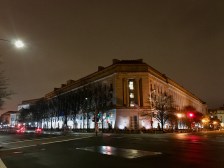
WASHINGTON, DC – AUGUST 8: A Department of Homeland Security logo is seen at their headquarters in the Ronald Reagan Building and International Trade Center on August 8, 2026 in Washington, DC. (Photo by Kevin Carter/Getty Images)
While voluntary, the document marks the federal government’s most detailed cybersecurity guidance for securing sandbox environments during AI model tests.
In recent conversations, cybersecurity and national security professionals raised questions about both the technical solutions OpenAI and Anthropic use to contain their models, as well as the glaring absence of federal oversight from federal regulators or truly independent third-party review. (Image via Getty)
While large language models present real risks to society, experts say they can be tested and largely controlled using well-worn cybersecurity and policy choices.
The threat group’s remarkable success targeting open-source software was inevitable and fueled by the industry’s decision to prioritize code shipping over security.
Kevin Mandia, Morgan Adamski, and Alex Stamos tell CyberScoop that AI is finding bugs faster than anyone can fix them, exploit development is accelerating, and most organizations…
WASHINGTON, DC – SEPTEMBER 29: (L-R) U.S. Director of National Intelligence Jay Clayton, CEO of Meta Platforms Mark Zuckerberg, Co-Founder at Anthropic Tom Brown, U.S. President Donald Trump and David O. Sacks hold a press briefing with AI executives following a meeting on artificial intelligence, outside the West Wing of the White House on September 29, 2026 in Washington, DC. The meeting comes as some have called for a slowdown in AI development amid rising safety concerns. (Photo by Kevin Dietsch/Getty Images)
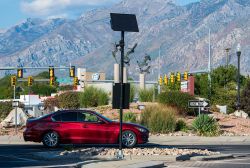
A solar-powered Flock Safety automated license plate reader at a traffic roundabout in American Fork, Utah, on September 20, 2026. (Charles-McClintock Wilson/NurPhoto via Getty Images)
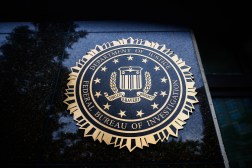
Federal Bureau of Investigation seal is seen on J. Edgar Hoover FBI Building in Washington D.C. on July 12. (Photo by Beata Zawrzel/NurPhoto via Getty Images)