In this photo illustration, the United States Cybersecurity and Infrastructure Security Agency (CISA) logo is seen displayed on a smartphone screen. (Photo Illustration by Thomas Fuller/SOPA Images/LightRocket via Getty Images)
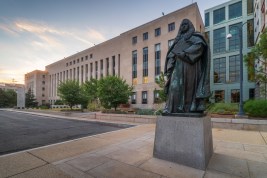
A bronze statue of English legal scholar Sir William Blackstone stands in front of the E. Barrett Pettyman United States Courthouse on July 7, 2024, in Washington. The courthouse houses the U.S. District Court for the District of Columbia, the U.S. Court of Appeals for the District of Columbia, and the U.S. Foreign Intelligence Surveillance Court. (Photo by J. David Ake/Getty Images)
In recent conversations, cybersecurity and national security professionals raised questions about both the technical solutions OpenAI and Anthropic use to contain their models, as well as the glaring absence of federal oversight from federal regulators or truly independent third-party review. (Image via Getty)
While large language models present real risks to society, experts say they can be tested and largely controlled using well-worn cybersecurity and policy choices.
The threat group’s remarkable success targeting open-source software was inevitable and fueled by the industry’s decision to prioritize code shipping over security.
Kevin Mandia, Morgan Adamski, and Alex Stamos tell CyberScoop that AI is finding bugs faster than anyone can fix them, exploit development is accelerating, and most organizations…
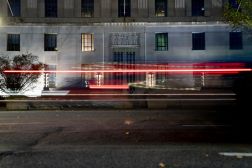
Light trails from a passing vehicle are seen in front of the Department of Justice building in Washington on November 21, 2021. (Stefani Reynolds for The Washington Post via Getty Images)
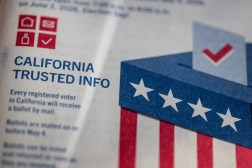
LOS ANGELES, CALIFORNIA- MAY 5: In this photo illustration, an official voter information guide mailed to a Southern California resident, ahead of a state primary election, photographed May 5, 2026 in Los Angeles, California. (Photo Illustration by Jay L Clendenin/Getty Images)
The DeepSeek logo is seen on a display at a shopping mall in Hangzhou, in China’s eastern Zhejiang province on April 23, 2026. Chinese startup DeepSeek released a new artificial intelligence model with “drastically reduced” costs on April 24, more than a year after it stunned the world with a low-cost reasoning model that matched the capabilities of US rivals. (Photo by CN-STR / AFP via Getty Images) / China OUT
Serbian students protest against government coruption in Belgrade, Serbia on May 14, 2025. The rector of the University of Belgrade was targeted with spyware. (Getty Images)
WASHINGTON, DC – AUGUST 8: A Department of Homeland Security logo is seen at their headquarters in the Ronald Reagan Building and International Trade Center on August 8, 2026 in Washington, DC. (Photo by Kevin Carter/Getty Images)